



There was a time when nobody thought twice about a door.Pick a colour, get it fitted,forget about it.That's changed. Somewhere along the way doors started mattering almost as much as the flooring or the lighting,and if you think about it, that tracks,it's one of the first things you actually touch when you walk into a room.
This is where WPC door design has really taken off.WPC (Wood-Plastic Composite, if the acronym's new to you) gives you the wood-grain look without the usual baggage that comes with real timber,warping,swelling,the occasional termite surprise. It copes fine in humid rooms,doesn't crack when the weather swings,and the good finishes are convincing enough that most people won't clock the difference unless you tell them.
DEMAC Multiboard has built a solid name for itself here, supplying WPC boards used in interior doors,cabinets,wall panels, that kind of thing. It shows up a lot in homes where people want something premium-looking that doesn't ask for constant upkeep.So if you're weighing WPC door design options for a renovation, or just starting to plan a build,here's roughly where things stand right now.
Low maintenance and clean lines are some of the major things contemporary homes want.WPC delivers both.The material's a blend of wood fibres and thermoplastic polymers,so it keeps its shape in ways plain wood struggles with. No swelling once the monsoon hits.No cracking once the AC's been running all summer.No sanding it back every couple of years,either.
It's lighter than solid wood as well, which doesn't sound like much until you're the one hanging it, hinges last longer,WPC doors sit properly,less sagging down the line.And the finishes have come a long way.Manufacturers can now get the texture close enough to real wood grain that you get the look without babysitting the material for years.
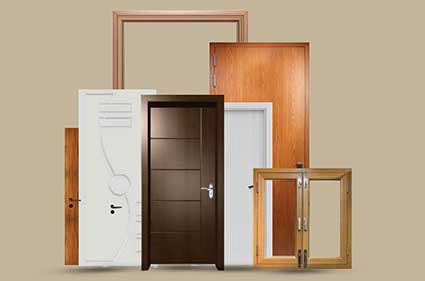
Wood grain is still where most of the demand sits.
There's more beyond these five depending on what mood you're after.One thing worth knowing,these aren't just printed patterns slapped on top.Quite a few use embossed textures,so the grain actually feels real under your hand and holds up correctly under different lighting.
Trending Colours for Modern WPC Door Designs
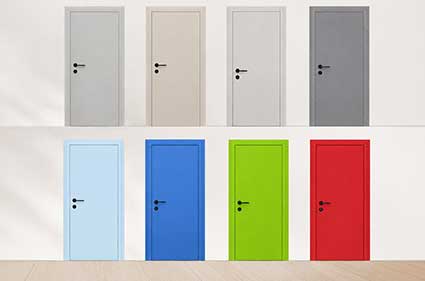
Wood grain still leads, but solid colours are catching up, especially in apartments and smaller city homes.Matte white and off-white are the most picked colors as they tend to open up rooms visually.Charcoal grey and deep matte black turn up frequently in industrial or contemporary interiors,usually next to brushed metal hardware.
Then you've got the quieter,earthier shades.Sage green, warm taupe,things along those lines,which tend to land in bedrooms or studies where the goal is calm rather than making a statement.If there's a pattern across all of it, it's a shift away from glossy finishes toward matte or satin.They age better.
WPC Door Design Ideas for Different Areas of Your Home
Not every door in the house needs to match, and honestly, they shouldn't. Bedrooms usually suit warmer finishes, teak or cherry work nicely there, adds a bit of coziness. Living rooms and entryways can handle bolder choices, mahogany, walnut, spaces where the door's allowed to make a bit of a statement.
Bathrooms and kitchens are really where WPC earns its keep, since moisture resistance is the whole point of using it there in the first place. Light oak or a plain matte finish tends to work, paired with hardware that won't rust. Home offices are usually better off staying neutral. Nothing distracting. Just a calm backdrop for actually getting work done.
How to Match WPC Door Designs with Your Interior Style
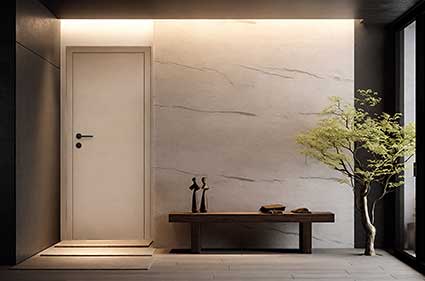
Matching a door to a room isn't as complicated as it sounds. Minimalist or Scandinavian interiors usually pair better with lighter finishes like oak, keeps things looking uncluttered. Lean more traditional, and mahogany or walnut tend to sit better next to furniture with heavier detailing.
Brushed gold or brass pairs naturally with warmer wood tones. Matte black or chrome suits cooler, more modern palettes. And don't ignore the flooring, either a strong contrast or a close match can work, it really comes down to what look you're chasing.
WPC Door Design vs Traditional Wooden Door Design
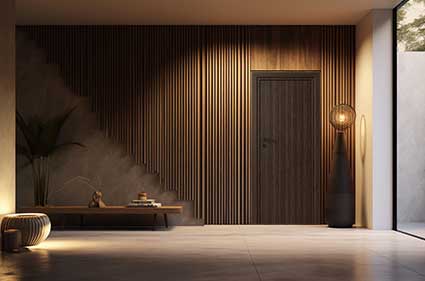
The charm of Solid wood is always unmatched. But it comes with real trade-offs, higher upfront cost, vulnerability to moisture and pests, and the ongoing maintenance needed to keep it from looking tired.
WPC handles most of these problems reasonably well. It resists warping, doesn't attract termites, and holds its finish longer without needing much attention. It's usually cheaper than premium solid wood too, without giving up much on looks. For anyone weighing long-term value against what they're spending right now, WPC tends to come out ahead, particularly in humid climates like ours.
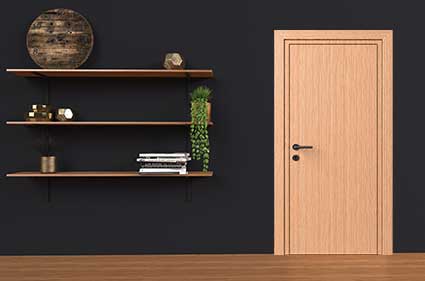
Factors to Consider Before Choosing a WPC Door Design
A few things worth sitting with before committing. Where the door's going matters a lot, bathrooms and kitchens need more moisture resistance than a bedroom door ever will. Budget plays in too, board thickness and finish quality both move the price around.
Maintenance expectations are worth thinking through as well. WPC needs less upkeep than solid wood overall, but matte finishes still hold up better than glossy ones over time. And check how the door will actually look next to your existing furniture and flooring before finalising anything, mismatches here are one of the more common regrets people run into after the fact.
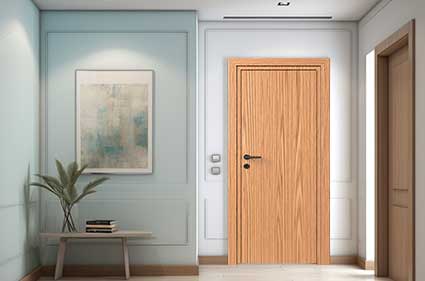
How WPC Door Designs Enhance Modern Interior Spaces
A good door does more than swing open and shut. It ties a room together, sets the tone the second someone walks in, can make an entire space feel more finished without touching anything else. WPC doors, given the range of finishes now available, give homeowners and designers more room to experiment without worrying much about long-term wear. In open-plan homes, where doors are visible from a few angles at once, picking the right WPC design does more for the overall look than most people expect going in.
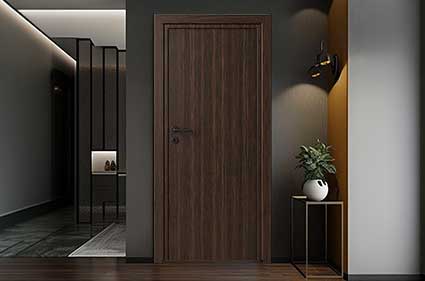
Why Choose DEMAC Multiboard for Modern WPC Door Applications?
DEMAC Multiboard builds its WPC boards for actual daily use, not just how they photograph in a showroom. The boards handle moisture, resist pests, and keep their finish intact well past the point where the excitement of a new install wears off. With a broad range of wood grain and solid colour options, DEMAC gives builders and homeowners room to match almost any interior style without sacrificing the structural side of things.
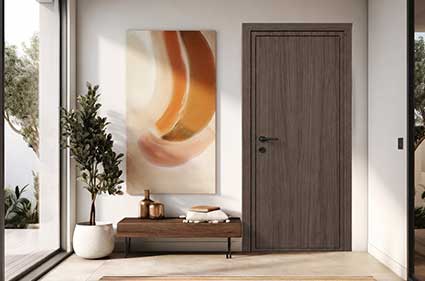
Find the Perfect WPC Door Design for Your Contemporary Home
Picking a door design is never just about liking a finish in a catalogue. It's about how the space actually gets used, how much upkeep you're realistically up for, and how the door fits with everything else around it. Given how many WPC door designs are out there now, wood grain finishes, solid matte colours, there's enough variety to suit almost any contemporary home. Spend a bit of time comparing finishes against your interior before deciding, saves a lot of second-guessing later.
Right now it's mostly wood grain, mahogany, golden teak, light oak, natural walnut, golden cherry, along with matte solid colours like charcoal grey and off-white.
Light oak and natural walnut tend to work best here. They sit well with minimalist, neutral-toned interiors without fighting for attention.
Yes, and honestly that's where they make the most sense. They handle moisture far better than solid wood, which is exactly what humid, high-use rooms need.
Mostly, yes. Finish, colour, sometimes even panel design, though it depends on what a particular manufacturer offers.
Matte white, charcoal grey, deep black, and warm wood tones. These are the ones people keep circling back to.
Barely any effort needed. A damp cloth every so often keeps it looking close to new.
Yes. Quite a few use embossed wood grain finishes that get surprisingly close to the texture and look of real timber.
© 2023 Demac Multiboard | Powered by Shaadow